Daily River Forecast

Madison River

Ennis, Montana

Updated for May 1, 2026

Top Summary

Fish the inside seams and softer buckets with a two-fly nymph rig early, then watch for blue-winged olives and midges once cloud cover settles in. If you see heads, switch fast to a cripple or parachute in size 16-20 and stay downstream of rising fish.

Current Conditions
  • Flow: Dam-controlled spring flow that usually stays fishable unless runoff muddies the lower river.
  • Water Temperature: Cold enough to keep the best feeding window from late morning through mid-afternoon.
  • Weather: Cloud cover and wind matter more than raw air temperature here. Overcast tends to improve BWO activity.
  • Overall Rating: 7/10
What's Happening Right Now

Late-April Madison fish are usually feeding subsurface through the morning, then sliding toward softer riffle edges and slicks once bugs start moving. Trout are not especially reckless right now, but they will eat if your drift is clean and your flies match the size of the naturals. Rising fish tend to key on small olives and midge clusters, while deeper slots still give up fish on stonefly nymphs and smaller mayfly droppers.

What's Hatching
  • Blue-winged olives, size 18-20, late morning through mid-afternoon
  • Midges, size 18-22, morning and again in the soft evening light
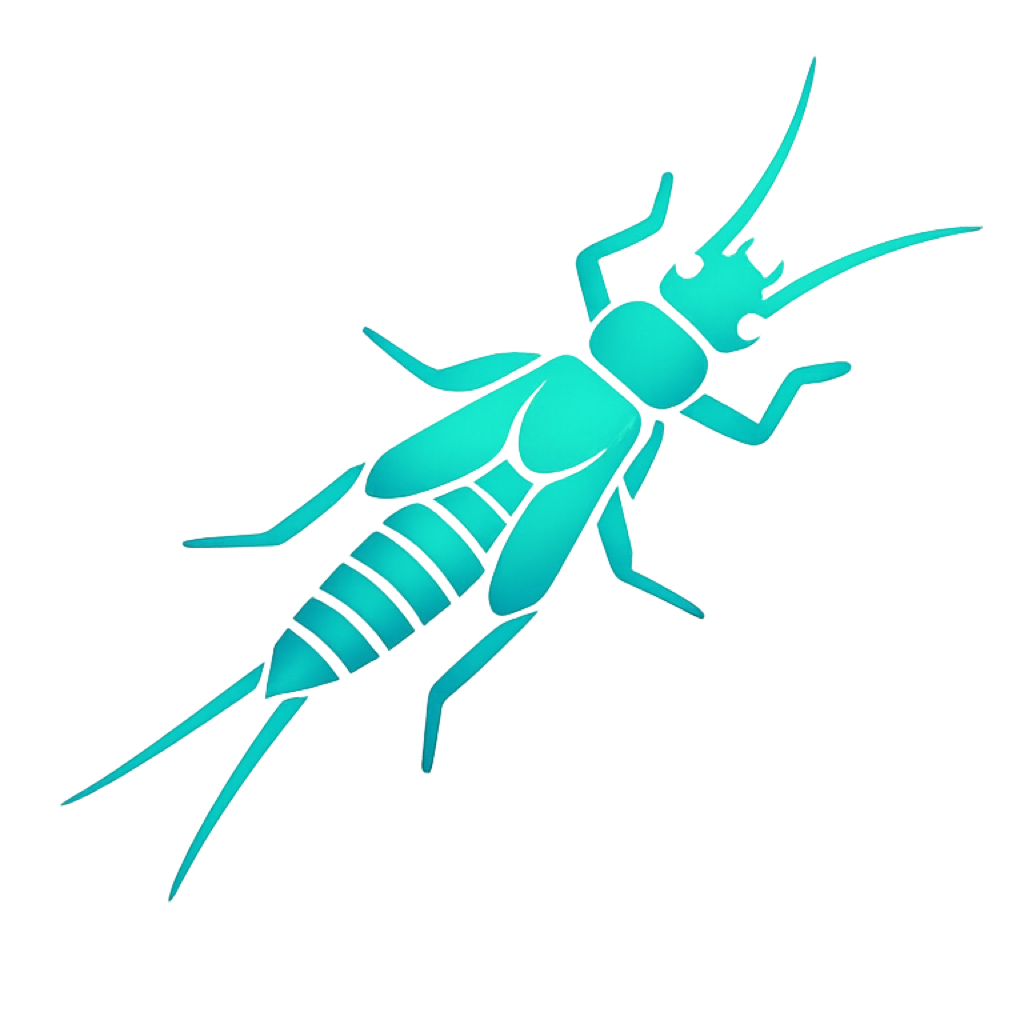
  • Skwala stoneflies, size 8-12, afternoons along grassy banks and slower edges
Best Flies To Use
  • Parachute BWO, size 18-20, dry
  • Griffith's Gnat, size 18-20, dry
  • Pheasant Tail, size 16-18, nymph
  • Split Case BWO, size 18-20, nymph
  • Pat's Rubber Legs, size 8-10, nymph
  • Skwala Chubby, size 8-10, dry
How To Fish It
  • Start with an indicator rig: stonefly or heavier jig up top, BWO or midge trailer 12-18 inches behind it.
  • Work riffle tails, inside seams, and the softer edge of deeper buckets before the hatch starts.
  • If fish begin showing on top, shorten up, drop the indicator, and fish single dries or a dry-dropper tight to bank structure.
About The Madison River

The Madison runs out of Yellowstone National Park, through Quake Lake and the famed fifty-mile riffle water between Lyon Bridge and Ennis. It is one of the most consistent trout rivers in Montana because dam influence and broad insect diversity keep fish feeding through a wide range of spring conditions.

Most of the river's reputation is built on wild rainbow and brown trout, with strong dry-fly fishing when BWOs, caddis, and stoneflies line up. It is also a river where nymphing covers a lot of water efficiently, especially before the better surface windows show.
Footer