
Buggin field notes · Timing and river conditions
Best Time of Day to Catch Trout (By Season & Conditions)
The best time of day to catch trout is often early morning or evening, but the better answer is the window when water temperature, light, insect activity, and river conditions line up. On some rivers that means dawn; on others it is a cloudy afternoon or the warmest part of a winter day.
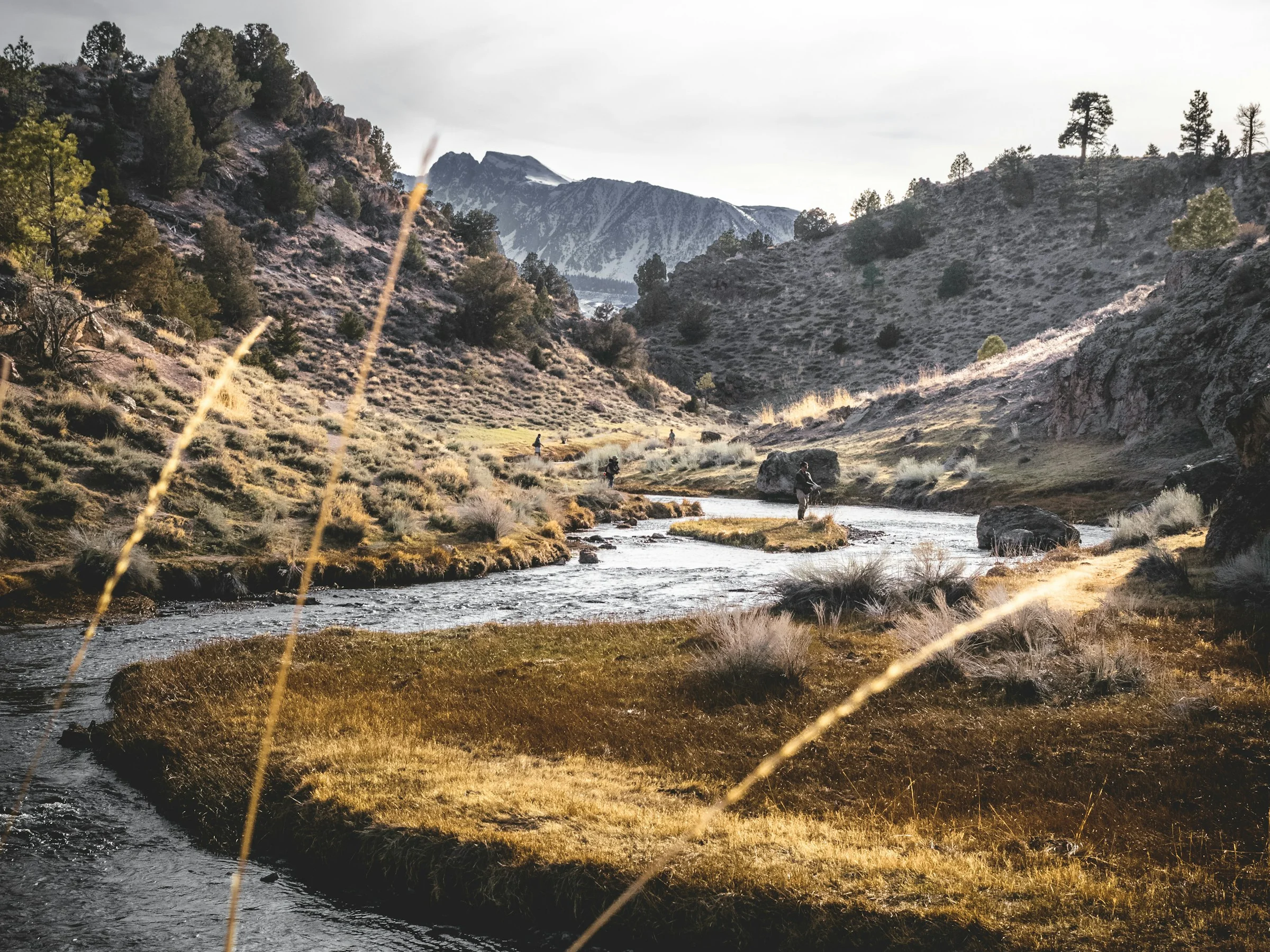
When is the best time to catch trout?
For many rivers, the best time to catch trout is from first light through the first couple of hours after sunrise, or during the last few hours before sunset. Those periods usually offer lower light, comfortable temperatures, and active insects. But there is no universally best hour. A cold spring creek, a hot summer tailwater, a cloudy fall day, and a snowy winter freestone can all produce different answers.
Use the clock as a prompt to look closer, not as a promise. Water temperature, dissolved oxygen, sunlight, cloud cover, flow, clarity, and the insects actually moving through your river matter more than a rigid sunrise-to-sunset rule. That is the practical answer for anglers asking about the best time to fish for trout, the best time of day for trout fishing, or the best time to fly fish: find the overlap between a comfortable river and available food. The right question is: when will trout have both a reason and an opportunity to feed in this reach today?
That is why experienced anglers sometimes leave a famous dawn window to fish a later hatch, or choose a short evening session when a warm afternoon has brought insects to the surface.
How time of day affects trout feeding
Time of day changes several conditions at once. The clock itself does not switch trout on; it tracks predictable changes in light, temperature, and insect behavior.
Temperature changes metabolism and comfort
Trout are ectotherms, so their body temperature and many physiological processes are influenced by the water around them. As water warms within a suitable seasonal range, a trout may process food faster and encounter more active prey. As water becomes too warm, the same metabolic demand becomes a liability: the fish needs more oxygen while warm water holds less of it. The USGS explains that temperature affects aquatic life and that warm water holds less dissolved oxygen than cool water.
This is why a mild afternoon can improve a winter bite but make a summer catch-and-release session less responsible. The same hour can be productive in one season and harmful in another.
Light changes visibility and risk
Lower light can make trout more willing to leave cover or feed in shallow water, especially in clear streams where bright skies expose them to predators and anglers. Dawn, dusk, shade, and cloud cover can reduce that exposure. But very low light is not automatically better: trout still need to see prey, and a dense hatch or good cover can matter more than the sun angle.
Insects create the actual appointment
Mayflies, caddisflies, stoneflies, midges, and terrestrials do not emerge on one national schedule. Their timing responds to species, water temperature, flow, weather, and local habitat. A USGS study found that emergence timing and duration varied among aquatic-insect species and stream conditions. A seasonal hatch chart can narrow the possibilities, but the insects on your river today decide which fly and which hour deserve attention.
Look for nymphs in the current, shucks on streamside rocks, adults in the air, and feeding behavior. Trout may eat the emerging stage below the surface before you see any adults. A hatch is a food event, not necessarily a dry-fly event.
Best time of day to catch trout by season
Seasonal guidance is a way to form a first plan. It is not a set of universal fishing hours. Elevation, latitude, groundwater, dam releases, species, and local insect communities can move the best window substantially.
| Season | Often worth trying first | What can move the window |
|---|---|---|
| Spring | Late morning through afternoon, or an overcast hatch window | Cold water, snowmelt, rising flows, warming trend, and early mayflies or stoneflies |
| Summer | Early morning or evening; fish only when water is cool enough for responsible handling | Heat, shade, overnight temperatures, thunderstorms, low flows, and terrestrial activity |
| Fall | Morning, afternoon hatch periods, and evening depending on species and light | Cooling water, shorter days, spawning activity, wind, and changing flows |
| Winter | Late morning through early afternoon when water and insects are most active | Sun, air and water temperature, ice, midges, and safe access |
Spring
Spring often rewards patience. Early in the season, cold water can keep trout close to slower holding water and delay insect activity until later in the day. As the river warms, a late-morning or afternoon window may align with mayflies, stoneflies, or caddis. Snowmelt and rain can also raise and cloud the river, making flow and visibility more important than a perfect weather forecast. Fish a warming trend when the water is still clear enough and stable enough for a safe approach; abandon the plan when runoff makes wading dangerous or the river unfishable.
Summer
The best time to catch trout in summer is commonly early morning, before the river and surrounding air have accumulated the day's heat, or evening as light and temperatures fall. This is an angling pattern, not a permission slip to fish warm water. The Maryland DNR advises extra caution as trout water warms and recommends morning fishing in its intermediate temperature range; local agencies may use different guidance or closures.
Check water temperature at the reach you intend to fish. If it is already warm after several hot nights, skip the session or target a more temperature-appropriate species. Shade and a cool forecast do not guarantee safe water, and a brief cool spell does not erase accumulated heat stress.
Fall
Fall brings cooler water, longer low-light periods, and often strong feeding before winter. Morning can be excellent when overnight cooling and clear water put trout on the move. A cloudy afternoon may be better if an insect hatch arrives later. In some rivers, large brown trout become more active around low light; in others, spawning behavior or regulations should change where and how you fish. Avoid wading on redds and follow the rules for the exact reach.
Winter
The best time to catch trout in winter often shifts toward late morning and early afternoon. A few hours of daylight can raise water temperature enough to increase insect movement, especially midge activity, while trout remain economical with energy. That does not mean every sunny afternoon fishes. On a stable tailwater, release patterns may matter more than air temperature; on a freestone, ice and access may end the day before feeding begins.
Morning vs. evening trout fishing
Morning and evening are both strong choices, but they solve different problems.
- Choose morning when summer heat is building, the forecast calls for a hot day, overnight temperatures have been cool, or you want the first look at a river before wind and traffic increase. Morning can also be the better choice when an agency recommends reducing warm-water stress.
- Choose evening when a warm afternoon is likely to activate insects, shade will reach the water, or local observation shows the hatch and rises arriving late. Evening can offer excellent low-light cover, but it may also bring wind, difficult visibility, and a rushed release.
On a clear, low-flow stream, the first hour of light may beat the last hour because trout have seen less disturbance. On a cloudy, fertile river, an afternoon hatch can beat both traditional windows. If the water temperature is wrong, neither sunrise nor sunset fixes it.
Do trout bite at night?
Yes, trout can feed at night. Brown trout are a familiar example, especially around large insect hatches or when they hunt baitfish and other prey. But night fishing is specialized: identify the insects or forage, know the regulations, use a safe access plan, and avoid wading where you cannot read the bottom. For most beginner and intermediate fly anglers, dawn and dusk provide the low-light benefits with far less risk and better fly visibility.
How weather changes the best fishing window
Cloud cover
Clouds can extend a surface-feeding period by reducing glare and keeping shallow water comfortable. They can also flatten the temperature swing that would otherwise trigger a hatch. Treat an overcast forecast as a reason to watch the river through midday, not proof that trout will feed continuously.
Rain and changing flows
Light rain can reduce light and add insects or terrestrial food. Heavy rain can raise flows, lower visibility, and make wading unsafe. A falling hydrograph may open a window after runoff, while a rising river can push trout toward edges but also make access hazardous. Read the flow trend, not just the amount of rain at your house. Our guide to trout fishing in the rain covers those tradeoffs in more detail.
Wind, fronts, and clarity
Wind can break the surface and hide a poor cast, but it can also suppress a delicate hatch or make a small dry impossible to see. A cold front may end a warm-weather feeding pattern; a gradual warming trend may create one. In clear water, approach and light matter more. In slightly stained water, trout may feel secure enough to feed longer, but the best fly window depends on how much visibility remains.
Why water temperature matters more than the clock
Water temperature is not a magic bite number. It is one part of a biological and angling system. Trout species and populations differ, fish acclimate to recent conditions, and food availability changes what a temperature means. The USGS notes that aquatic species have preferred temperature ranges, while the USGS explains that dissolved oxygen is essential to fish and that cold water can hold more oxygen than warm water.
Use temperature as a trend and a safety signal. Compare the current reading with the previous few days, check whether the river is warming through the afternoon, and consider where the gauge sits relative to your access point. A spring creek, shaded tributary, tailwater, and broad sunlit flat can have different conditions on the same day.
When water is hot or a local agency has issued a temperature advisory, consider avoiding catch-and-release fishing rather than trying to improve the odds by fishing only at dawn. If you do fish in appropriate conditions, use tackle that lands trout quickly, keep hands wet, debarb hooks where permitted, and keep the fish in the water. NOAA Fisheries recommends minimizing fight time, handling, and air exposure.
How to find the best fishing window on your river
- Check current river conditions and water temperature. Look for flow, trend, clarity, and a recent temperature reading. Note the timestamp and gauge location.
- Review the weather forecast. Focus on cloud cover, wind, rain, overnight lows, and the temperature trend rather than the daily high alone.
- Consider seasonal insect activity. Use the season to narrow likely mayflies, caddis, stoneflies, midges, and terrestrials, then confirm with insects and rise forms at the river. The Buggin hatch chart is a useful starting reference.
- Identify likely feeding windows. Start with dawn or evening in warm weather, midday in cold weather, or the period when cloud cover, warming water, and a hatch overlap.
- Adjust based on what you observe. If trout are not showing, change depth or presentation before assuming the clock is wrong. If water rises, clouds, or the hatch arrives, update the plan.
Buggin helps bring those inputs together in a river-specific fishing outlook, including conditions, weather, water temperature where available, expected hatch activity, and fly suggestions. That can help you decide whether a two-hour morning session, a winter afternoon, or a post-rain window is worth the drive. It provides a prediction, not certainty; use it alongside the gauge, local rules, and your own observations.
Open Buggin in the App Store before your next trip and use the forecast to form a first plan—then let the river revise it.
Frequently asked questions
What time of day do trout bite the most?
Early morning and evening are common high-probability windows, but a hatch, water temperature, cloud cover, and flow can make a different period better on a specific river.
Is trout fishing better in the morning or evening?
Morning is often better during summer heat or after warm nights. Evening can be better when afternoon insects become active and light fades. Compare the temperature trend and observed hatch to choose.
What is the best time to catch trout in summer?
Try early morning or evening when the water is cool, but stop or choose another target if local guidance indicates heat stress. Check the river temperature instead of relying on the air forecast.
What is the best time to catch trout in winter?
Late morning through early afternoon is often the best starting window because daylight can increase insect activity and slightly warm the river. Ice, flow, and local conditions still control the decision.
Do trout feed at night?
Yes. Some trout, especially brown trout, feed after dark around hatches or when hunting larger prey. Night fishing requires extra attention to regulations, wading safety, and fish handling.
Does cloudy weather improve trout fishing?
Clouds can reduce glare and extend comfortable feeding conditions, but they do not guarantee a bite. Pair the forecast with water temperature, flow, clarity, wind, and actual insect activity.
Sources and further reading
Sources checked November 4, 2026. Agency timing advice is a useful starting point; the local river, species, regulations, and current conditions still decide whether a window is worth fishing.
- Washington Department of Fish and Wildlife: timing, insect activity, and weather exceptions
- Idaho Fish and Game: practical trout timing guidance
- U.S. Geological Survey: temperature and aquatic life
- U.S. Geological Survey: dissolved oxygen and water temperature
- U.S. Geological Survey: stream temperature and aquatic-insect emergence
- Maryland Department of Natural Resources: trout temperature advisory
- NOAA Fisheries: catch-and-release best practices